


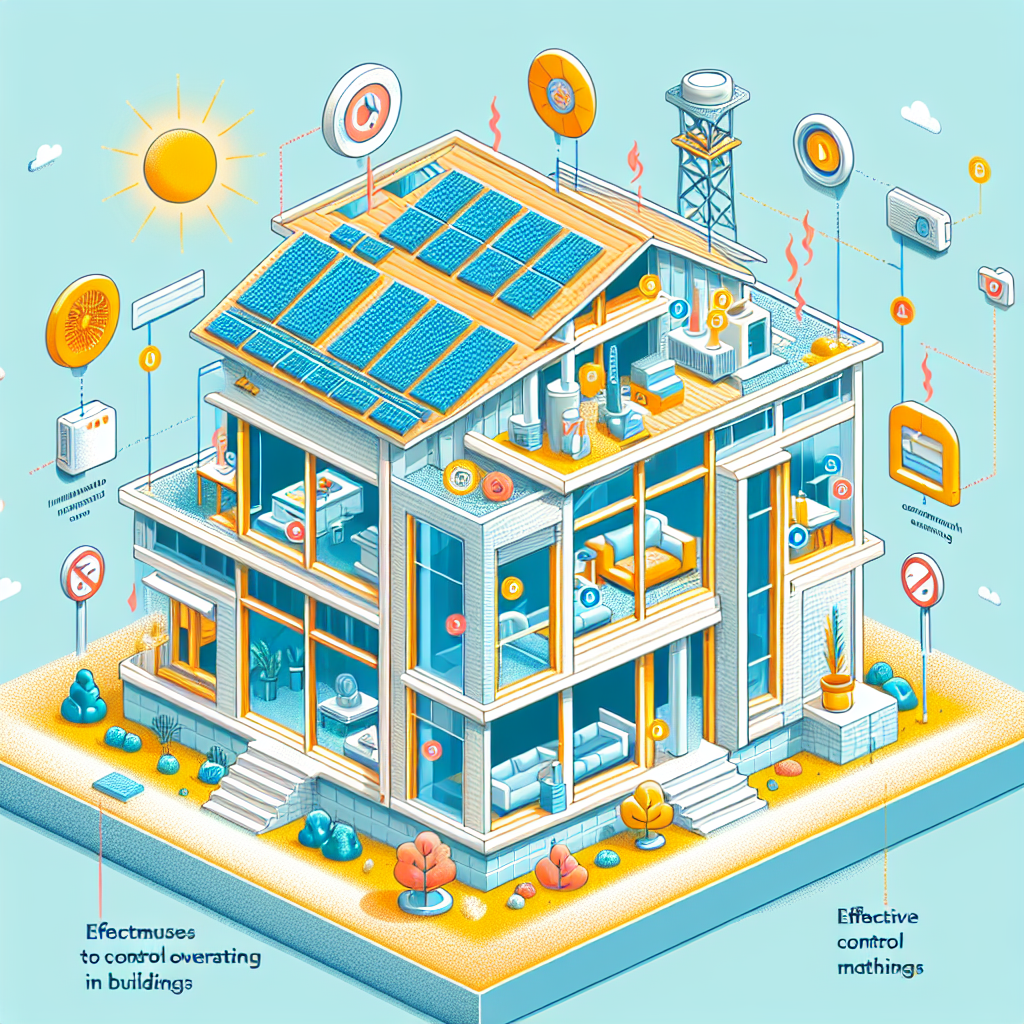
The Spanish Aluminum Association (AEA), representing over 650 companies in the sector, has called for an update to the Building Technical Code (CTE) to reflect current climate realities in Spain. The AEA has submitted a proposal emphasizing the urgency of improving solar control in buildings, advocating for the integration of external shading systems. Aluminum is seen as a critical material in implementing these solutions.
In Spain, building regulations have traditionally focused on energy efficiency during the winter, mainly aiming to reduce thermal losses associated with heating. However, this approach has become inadequate in coping with increasingly intense summer temperatures, a situation exacerbated by climate change and widespread air conditioning use. According to an AEA study, cooling demand in certain Spanish regions now matches or exceeds heating demand.
Luz Smith, the AEA’s Technical and Public Affairs Manager, highlights the critical need for regulations to accurately represent current climate conditions. The challenge is heightened considering solar radiation can increase indoor temperatures by 5 to 12°C during periods of high solar exposure. Conventional insulation and sealing methods are insufficient to counter this rise; only exterior shading systems can effectively block solar energy entry.
Independent studies confirm that using shading systems could lead to summer energy savings ranging from 22% to 64%. These methods not only lower thermal load peaks but also reduce air conditioning power demand, improve indoor comfort, and contribute to minimizing both energy demand and carbon emissions.
The AEA recommends evolving the CTE towards a design of adaptive facades, with aluminum playing a crucial role not just as a structural element but also as an active system for thermal and solar regulation. This would involve incorporating elements like adjustable slats, automated blinds, and other integrated technological solutions with sensors and home automation systems, allowing facades to actively contribute to a building’s energy management.
Specific proposals from the AEA for the CTE include integrating shading from early design stages, recognizing load peak reduction through dynamic solutions, assessing overheating risk with specific metrics, and prioritizing passive control measures over active cooling solutions.
With these recommendations, the AEA aims to ensure that Spanish regulations consider energy efficiency throughout the year in a balanced manner, aligning with European sustainability and efficiency goals while adapting to the country’s unique climate conditions.