


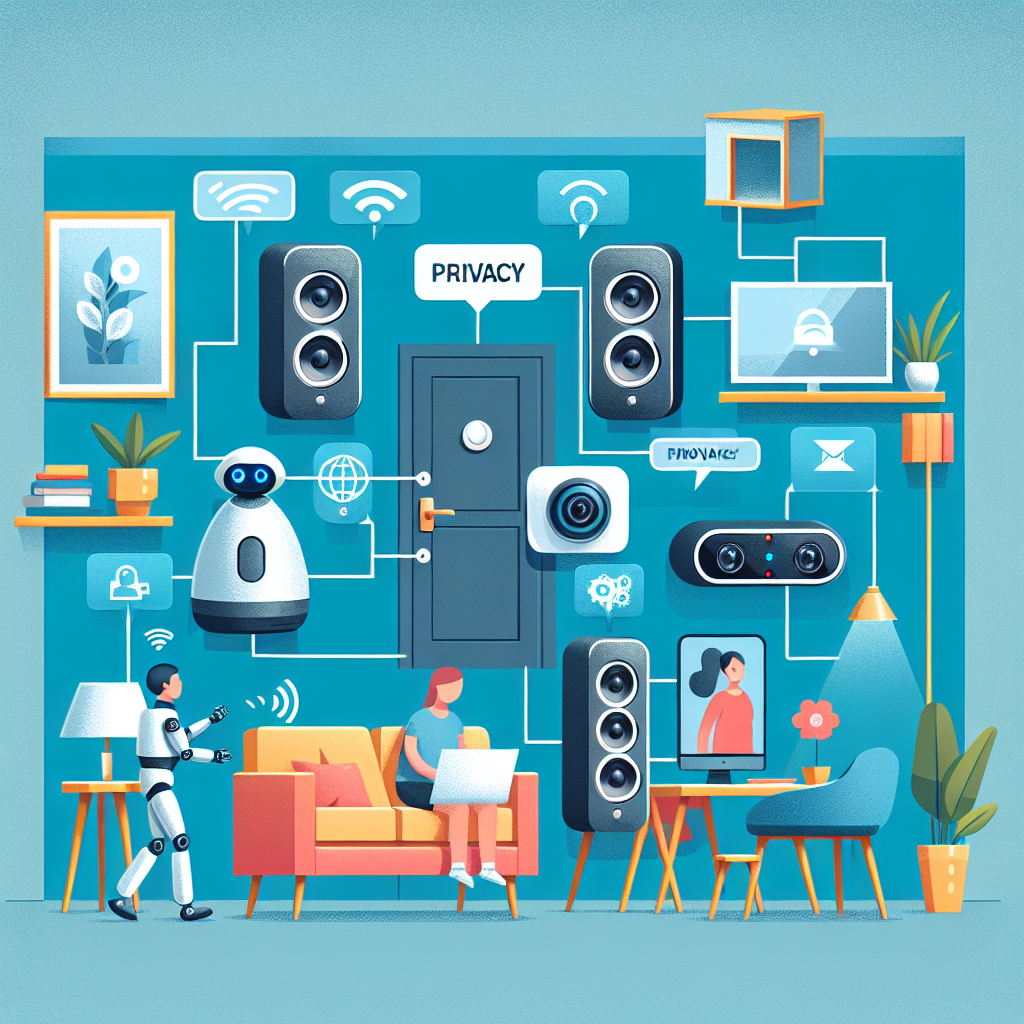
For years, smart home technologies have been marketed as a promise of convenience: effortless clean floors, voice-controlled music, mobile surveillance, and automatic routines that prepare your living space before you even realize you needed them. However, by 2025, the concept of a smart home has evolved beyond just technology; it significantly influences how we live, our perception of space, and, increasingly crucial to our lifestyle, our privacy concerns.
Yes, a robotic vacuum can be as aesthetically pleasing as a well-chosen vase if integrated thoughtfully. Likewise, a smart speaker can blend seamlessly into a minimalist living room without sticking out like a sore thumb. The issue arises when these devices become integrated not just into the aesthetics of the home but into its daily routines, collecting data on the home’s layout and the inhabitants’ habits.
The good news is that it’s possible to have a stylish, functional, and connected home without sacrificing a reasonable degree of control.
The robotic vacuum has become an additional “member” of many households. It resides on its charging base, usually in plain sight, and even influences minor decorative decisions like the selection of non-tassel rugs, the placement of chairs, and the organization of cables to avoid clutter. Aesthetically speaking, three approaches work particularly well:
1. Invisible integration: placing the charging base inside a ventilated cabinet or under a console to maintain the room’s aesthetics.
2. Functional corner: situating the base next to a utility closet or laundry area, treating it as another helpful point within the home.
3. Neutral design element: selecting models in matte black or white and locating the base against a calm wall, avoiding competition with main decorative elements.
However, a detail often overlooked in decoration is that many robots create maps of the home to improve their cleaning efficiency. While practical, this can mean that a layout of the home and usage patterns could be tied to an account and service.
Smart speakers redefine how a home sounds, serving not just for music playback but for controlling lights, timers, or scenes. Therefore, their placement affects both aesthetics and acoustics. Style and common sense dictate:
1. Avoid placing them in intimate spaces unless necessary.
2. Position them in social areas like the living room or kitchen, ensuring they don’t interfere with TVs and are near walls for sound projection.
3. Choose finishes that complement the surrounding décor.
With these devices relying on microphones, ensuring your home remains a refuge includes considering data privacy.
The advent of indoor cameras and video doorbells has altered the visual and security landscape of homes. Balancing visual presence with privacy concerns is key, suggesting exterior placements over interior living spaces. Discreet placements and models with physical shutters can respect both security needs and aesthetics.
What we share on social media also “decorates” our home for others. Interior photos and videos can inadvertently reveal layouts, valuable objects, routines, and privacy-invading details. Careful selection of what to showcase online is akin to choosing what’s visible from your front door.
In interior design, “aesthetic privacy” emerges as a new form of silent luxury. The checklist for a beautiful, privatized home includes organizing bases and hubs neatly away from main areas, separating smart home devices on a guest Wi-Fi or dedicated network, adjusting telemetry settings, avoiding unnecessary indoor cameras, and choosing devices that operate independently of the cloud when possible.
Smart homes can remain discreet. In the end, that too is a style statement.
FAQs:
1. Where is the best place to keep a robotic vacuum without ruining the decor?
– In a utility area or integrated within a ventilated cabinet. Avoid placing it under focal points in the living room.
2. Is it a good idea to have a smart speaker in the bedroom?
– For style and rest, it’s generally better in social areas. If used in the bedroom, prioritize models with clear microphone controls and configure the history settings appropriately.
3. Which parts of the house should not be covered by connected cameras?
– Living rooms, dining areas, and bedrooms should be avoided for privacy and ambiance. If installed, it’s preferable to limit them to entrances and exterior areas.
4. How can I share photos of my decor on social networks without revealing too much about my home?
– Avoid showing views from windows, personal documents, keys, visible house numbers, and don’t post in real time when you’re away. Also, consider adjusting your phone’s metadata and location settings.