


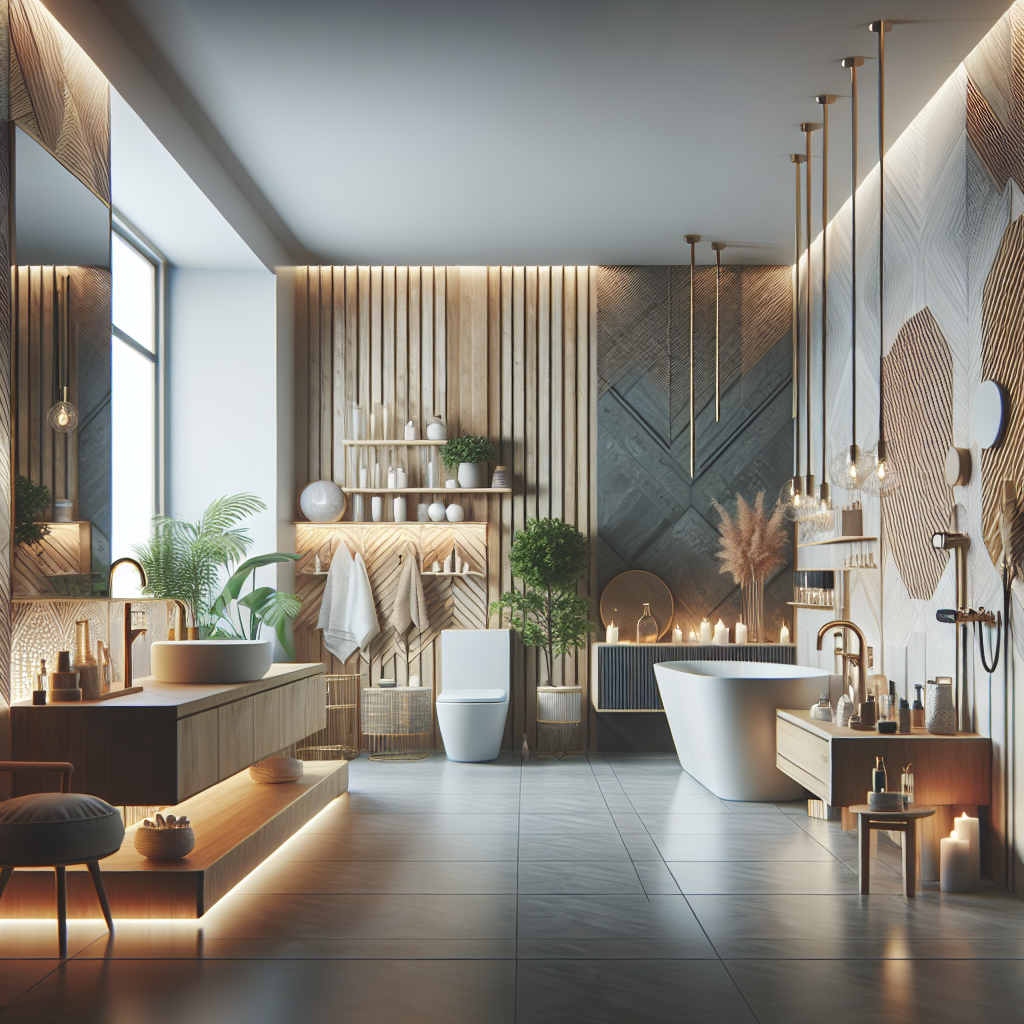
For a long time, bathrooms have been synonymous with aesthetics dominated by whites and fairly conventional neutral tones. However, green has recently emerged as one of the most solid color choices in contemporary interior design.
This isn’t just a fleeting trend but an evolution in the way design is conceived. In the most recent projects, green has stopped being merely a decorative detail and has begun playing a leading role: it organizes space, sets the atmosphere, and integrates with materials from a more architectural perspective.
Why Green Has Become Trendy in Bathrooms
If you’re wondering why we’re seeing more green bathrooms, it’s not just about the color but the cultural context. The rise of green responds to four clear factors:
– A search for spaces linked to well-being.
– A revaluation of natural materials.
– An interest in less cold, more livable color palettes.
– A need for identity against excessive neutrality. The bathroom has transformed from a purely functional space into an experiential one. And green fits perfectly into this shift.
Choosing the Right Shade of Green for Your Space
Talking about “green” as if it were a single tone is a common mistake. It’s not.
– Sage and soft olive greens work particularly well in small bathrooms or spaces with limited light. They have a gray base that brings calmness without visually reducing the space.
– Bottle green or forest green add depth and architectural character. They demand careful lighting and materials that balance the overall look.
– Glazed green in tiles introduces texture and material vibrancy. Small formats create rhythm; large pieces provide continuity.
Where to Apply Green for Long-term Effectiveness
The trend isn’t about painting everything green. The key lies in the application strategy.
1. Green in furniture allows for the introduction of character without dominating the space. It’s a reversible and flexible decision.
2. Green in tile or continuous surfaces turns it into the bathroom’s structural base.
3. Green in paint or at half heights is a lighter option, ideal for guest bathrooms or secondary ones, allowing for space updates without structural intervention.
Combining a Green Bathroom
The critical question isn’t whether green is trendy, but how to prevent it from feeling like a passing fad.
– Green + light stone brings brightness and a natural read. It is one of the most lasting combinations.
– Green + natural wood softens and humanizes the space, particularly effective in residential projects.
– Green + brass or warm gold adds sophistication, especially with deeper tones.
– Green + black provides a graphic contrast and contemporariness.
5 Green Bathroom Ideas According to Style
Green’s versatility allows its integration into very different projects, from classic interiors to contemporary bathrooms.
– A green and white bathroom offers a timeless balance.
– Green with natural wood introduces warmth, making the bathroom more livable.
– Green tiled bathrooms provide texture and depth.
– Green with brass fixtures elevates the design with sophistication.
– Minimalist green bathrooms feature continuous surfaces or very clean-lined furniture.
The Role of the Basin in a Green Bathroom
In a bathroom where color plays a significant role, the basin has a strategic function. It can serve as:
– A visual rest element (white, soft shapes).
– A textural element (discrete reliefs).
– A subtle point of contrast.
Choosing the basin is not secondary: it defines the final interpretation of the space.
Does Green Visually Reduce the Bathroom?
This is one of the most frequently asked questions. The answer depends on the tone’s intensity, the applied surface amount, and the lighting. Dark green in a small, poorly lit bathroom could potentially close in the space. Conversely, soft green, with ample mirrors and good lighting, might expand it. Thus, green, by itself, does not reduce space. It does (or does not) depending on the overall project.