
Choosing the right kitchen for your home is a decision that goes beyond aesthetics. The types of kitchens available in today’s market offer specific features that can transform your daily cooking experience. From energy efficiency to ease of cleaning, each option caters to particular needs that are worth knowing before making a decision.
When looking to renovate this important space, it is essential to explore alternatives such as an electric kitchen that combines modern technology with practicality. The variety of models allows you to find solutions tailored to different lifestyles, spaces, and budgets.
Gas kitchen: the traditional option that remains current
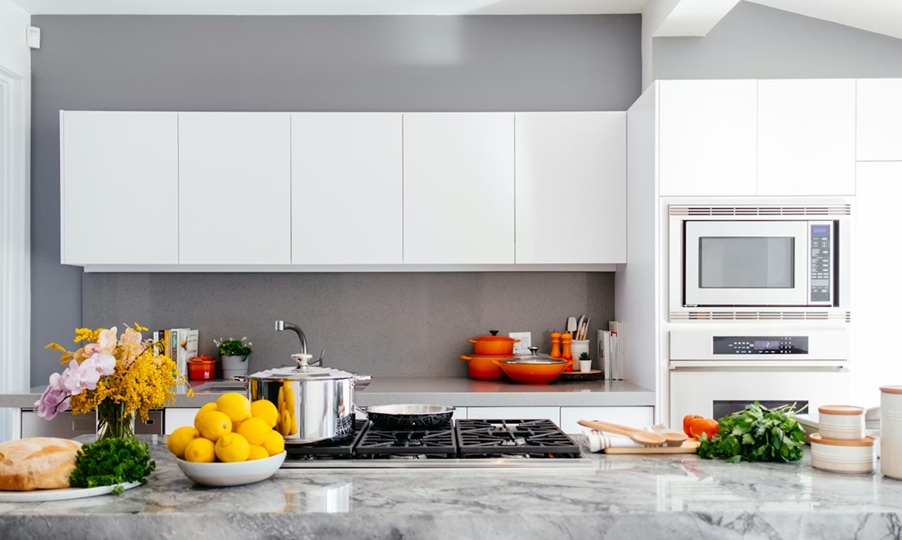
The gas kitchen continues to be a favorite for its practicality, heat control, and efficiency in cooking, ideal for preparing anything from everyday lunches to more elaborate recipes. This type stands out for offering immediate control over the temperature by directly regulating the flame.
The main advantage of the gas kitchen is the heat power it produces and the time savings this entails since it heats up very quickly due to direct fire and temperature control is very simple and precise. Additionally, it is compatible with any type of pots and pans, eliminating the need to renew your cookware.
However, it presents some challenges in terms of cleaning due to the shape of the burners and grills. It also requires more attention in terms of safety due to the use of an open flame. Despite this, many households prefer it for its reliable operation and lower cost of gas compared to electricity.
Electric kitchen with vitroceramic: balance between modernity and accessibility
Electric kitchens with vitroceramic function through electric resistors located under a ceramic glass surface. It is the most economical type of kitchen of all and is available in many designs, easy to clean, and allows you to take advantage of the residual heat left when turned off.
Its flat surface greatly facilitates cleaning compared to gas kitchens. Additionally, they are compatible with all types of kitchen utensils, making them versatile for any home. Installation is simple as it only requires an electrical connection.
They are the ones with the highest consumption and take longer than other models to heat up, and they are delicate in terms of cleaning because it is easy to scratch the surface. Despite these limitations, they represent an accessible alternative for those looking to modernize their kitchen without a high initial investment.

Induction kitchen: advanced technology for greater efficiency
Induction kitchens have become one of the most modern and efficient options for those looking for speed and safety in cooking, using advanced technology that allows food to be heated evenly. This system creates a magnetic field that directly heats the container without generating heat on the surface.
Induction kitchens are the electric option with the lowest consumption, being able to reduce expenses by up to 20% compared to vitroceramic. Additionally, they offer greater safety by not producing flame or heating the surface, significantly reducing the risk of accidental burns.
The main consideration is that they require specific utensils with a ferromagnetic base to function correctly. Although the initial investment is higher, the long-term energy savings and cooking speed outweigh this additional cost. Their cleaning is extremely easy thanks to the smooth surface that does not retain residues.
Which kitchen can I buy: key factors to decide
When asking yourself which kitchen you can buy, first consider the type of installation available in your home. If you have natural gas or LPG connection, gas kitchens offer operational economy. For exclusively electric installations, consider between vitroceramic and induction based on your budget.
The available space also influences your choice. Floor kitchens integrate cooking surface and oven in a single structure, while built-in models allow for more personalized layouts. Standard sizes range from 20 to 30 inches, adapting to different kitchen configurations.
Your cooking habits are decisive. If you cook frequently and value precise temperature control, gas may be your best ally. For those who prioritize speed, energy efficiency, and ease of cleaning, induction represents the most advanced option. Vitroceramic is positioned as an intermediate alternative in terms of cost and features.
Which is the best kitchen: comparison according to specific needs
Energy efficiency and operating costs
Induction leads in efficiency by utilizing up to 90% of the energy consumed, reducing cooking times and energy waste. Gas offers lower operating costs due to the price of fuel, although some of the heat is dispersed around the flame. Vitroceramic has the highest electrical consumption among the available options.
Safety and maintenance
Induction kitchens stand out for their safety by not generating flame or heating the surface beyond the area of contact with the container. Electric kitchens eliminate risks of gas leaks. Gas kitchens require more attention in maintenance and adequate ventilation to ensure safe use.
Speed and cooking control
Induction heats liquids in seconds and reaches ideal temperatures with exceptional speed. Gas offers immediate visual control of flame intensity, preferred by traditional cooks. Vitroceramic takes longer to reach the desired temperature and to cool down after use.
Mixed kitchens: the best of both worlds
Mixed kitchens combine two blocks: the burners that run on gas like a conventional kitchen and the oven with electric operation, being the most common type for those who prefer to cook with fire.
This configuration allows you to enjoy direct gas control on the cooking surface while taking advantage of the electric oven’s benefits, offering more even and controlled heating. It is ideal for those who do not want to give up the traditional cooking experience with a flame but seek more precision in baking. Mixed models represent a versatile solution that combines operational economy in daily cooking with the efficiency of the electric oven for more elaborate preparations. This flexibility makes them favorites for homes with diverse culinary needs.

Technical considerations before purchase
Before acquiring any type of kitchen, verify the available connections in your space. Gas kitchens require certified pipe installation and adequate ventilation. Electric models need circuits with sufficient capacity to support the equipment’s power.
The external dimensions must match the allocated space, especially in built-in kitchens where precise measurements are crucial. Also, consider the oven capacity based on the volume of usual preparations in your home.
Safety systems such as gas shut-off valves, thermal control, and double-glass doors are relevant elements for continuous use. Check manufacturing materials, types of grills, controls, and ease of cleaning to select a model aligned with your technical and operational requirements.
The choice among the different types of kitchens depends on multiple personal and technical factors. There is no single answer to which is the best option, but the most suitable for each particular situation. Evaluate your initial budget and long-term operating costs, considering both the purchase price and monthly energy consumption.
Your cooking habits and the time you devote to cooking directly influence your satisfaction with your choice. If you value tradition and manual control, gas maintains its relevance. For those who prioritize technology, efficiency, and safety, induction represents the cutting edge. Vitroceramic offers a cost-effective middle ground for tight budgets. Knowing the characteristics of each type of kitchen will allow you to make an informed decision that will transform your experience in this fundamental space of the home.
Source: MiMub in Spanish