
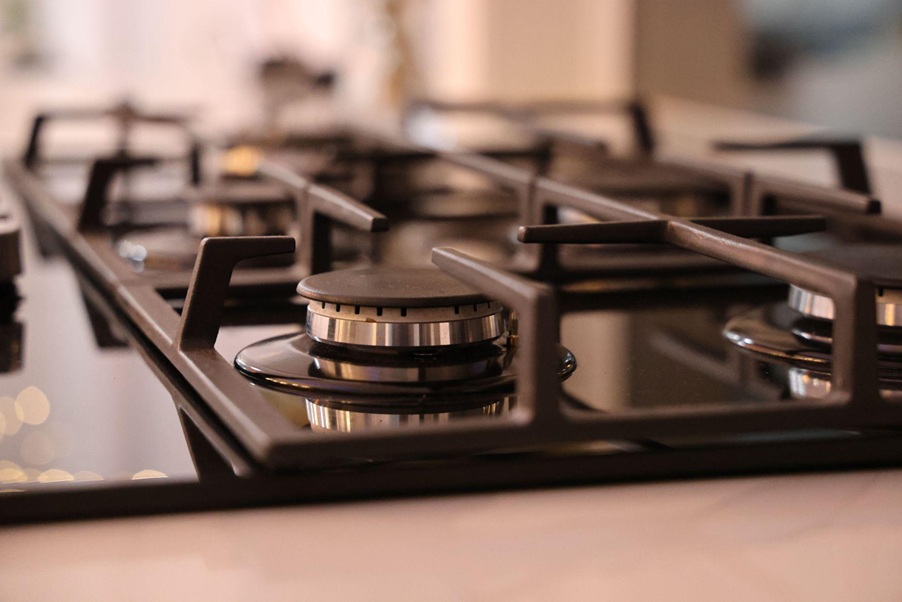
Knowing how to take care of your kitchen is not just an aesthetic issue, but a smart investment that prolongs the life of the equipment and ensures its efficient operation. Every day, surfaces, burners, and internal components are exposed to grease, intense heat, and food residues that, without proper care, can compromise the performance and safety of the home.
The key is to establish simple but consistent routines that prevent premature wear. From daily cleaning to annual technical inspections, every action counts to avoid costly repairs and maintain energy efficiency.
Deep cleaning of grills and burners
They require special attention due to their constant exposure to fire and food residues. Removing them monthly to soak in hot water with baking soda for at least an hour helps loosen the embedded grease. After soaking, a non-metallic bristle brush removes residues without damaging the finish.
One of the most important tips for knowing how to clean kitchen grills is to avoid abrasive products that can scratch the enamel or steel. A mixture of white vinegar and warm water is effective and environmentally friendly, especially for stubborn stains. After cleaning, make sure to thoroughly dry each piece before reassembling to prevent ignition problems.
The burners should be carefully disassembled to clean both the caps and the diffusers. Use a fine pin or needle to unclog the gas outlet holes, ensuring even combustion. If you notice yellow or irregular flames, it is a sign that the holes are blocked and need immediate cleaning.
The oven deserves special attention
Cleaning food residue from inside the oven before it solidifies greatly facilitates your kitchen maintenance. Use a soft sponge with soapy water for the enamelled walls, avoiding metallic scourers that can scratch the surface. Oven-specific products are effective, but should be applied following the manufacturer’s instructions.
The oven door seal is a critical component for maintaining thermal efficiency. Inspect it regularly for cracks or wear, as poor sealing causes heat loss and an increase in gas consumption. Cleaning it with a damp cloth removes residues that could compromise its flexibility.
The bottom tray of the oven accumulates grease and residues that can generate smoke and bad odors during use. Removing it and washing it with hot water and degreaser every two weeks keeps the interior clean and prevents the accumulation of soot. This simple gesture significantly improves the air quality during cooking.
Specific care for gas stoves
Caring for gas stoves requires particular attention to connections and the supply system. Visually inspect the hoses and connections every three months for cracks, wear, or leaks. A soapy water solution applied to the connections reveals bubbles if there is a gas leak, indicating an immediate replacement is needed.
Gas burners should maintain a blue and even flame. If you see yellow or orange flames, it indicates incomplete combustion due to blockages in the holes or lack of oxygen. Clean the diffusers with a soft brush and ensure the holes are completely clear to guarantee efficient combustion.
The electric ignition, present in many modern models, requires clean and dry spark plugs. Use an old toothbrush to remove accumulated debris around the spark plugs, improving the spark and facilitating ignition. If the system fails repeatedly, professional technical review may be necessary.

Prevention of common problems
- Check the stove seals monthly for early wear detection
- Clean spills immediately to prevent carbonization
- Ensure the grills are properly seated before each use
- Keep controls and knobs free of grease for smooth operation
- Inspect the oven door glass for cracks or damage
Professional technical maintenance
Although daily and weekly cleaning routines are fundamental, an annual technical service performed by certified professionals is indispensable. Specialized technicians inspect gas connections, calibrate burners, inspect the safety system, and verify that all components operate according to the manufacturer’s specifications.
During the professional inspection, the condition of safety valves, the oven thermostat, and the electric ignition system is evaluated. These critical components require technical knowledge for their correct assessment and adjustment. Investing in this preventive maintenance can significantly extend the life of the equipment and prevent household accidents.
Recommended products and tools
Having the right cleaning products greatly facilitates maintenance. Kitchen-specific degreasers dissolve grease without damaging delicate surfaces such as stainless steel or enamel. Avoid generic all-purpose cleaners that may contain harmful abrasive or acidic components.
Microfiber sponges are ideal for daily cleaning, as they do not scratch and efficiently absorb grease. For tougher stains, soft bristle brushes allow for greater pressure without compromising the finish. Never use metallic scourers on enamelled or stainless steel surfaces.
Baking soda and white vinegar are natural allies for maintenance. The first acts as a gentle abrasive and deodorizer, while the second dissolves grease and removes water stains. Combined, they form an effective and economical solution for most cleaning tasks.
Keep fine pins or specific needles on hand to clean the burner holes. These small tools are essential for maintaining optimal combustion and preventing ignition problems. Store them in an accessible place to perform this maintenance task regularly.

Implementing a consistent care and maintenance routine transforms the cooking experience and ensures that the equipment operates efficiently for years. From daily cleaning with a damp cloth to annual technical inspections, every preventive action contributes to avoiding costly repairs and maintaining home safety.
The time investment in these simple practices translates into economic savings, better performance, and peace of mind. A well-maintained equipment consumes less energy, more evenly, and presents fewer risks of unexpected failures. Knowing how to care for your kitchen from day one ensures that your investment remains in optimal condition, allowing you to enjoy delicious preparations in a safe and functional environment.
Source: MiMub in Spanish