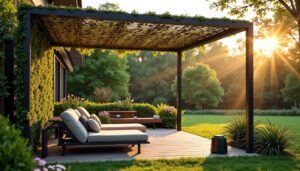
Rustic Roofs, a company known for its sale of African thatched and garden umbrellas, has identified emerging trends in garden decoration for the year 2026, according to a recent analysis by the Architecture and Design portal. The way outdoor spaces are conceived is undergoing a transformation, marked by a growing emphasis on naturalness, sustainability, and cohesion with the interior environments of the home.
Landscape designer David Jiménez has analyzed the impact that the pandemic has had on our perception of outdoor spaces. What was previously considered a luxury exclusive to large projects is now seen as an essential component of the home. From this context arises the concept of “new naturalism,” which proposes more organic designs, drawing inspiration from European wild landscapes and moving away from excessively geometric configurations.
Jiménez identifies three key trends for 2026. Firstly, there is a preference for gardens that maintain a classic structure but present a more natural aesthetic. Secondly, there is a push for a seamless integration between the interior and exterior of the home, including elements such as outdoor kitchens, living areas, and pergolas that extend the living space into the garden. Finally, there is an anticipation of a diversification of pavements adapted to the specific functions of each area, thus optimizing the organization and use of gardens.
Sustainability has become a crucial pillar in garden design. Jiménez emphasizes the need to combine natural beauty with conscious environmental responsibility. This involves selecting native species that require less water and designing spaces that require minimal maintenance. Plantings of grasses and ornamental herbaceous plants are on the rise, as well as careful selection of trees in small groups to ensure visual harmony.
In addition, space planning as a scenographic unit gains prominence, along with an intentional use of lighting to enhance its elements. The ideal garden of 2026 is based on creating a balanced and functional environment that is linked to the identity of its owners. This approach is valued not only for its aesthetics but also for its ability to be enjoyed throughout the year, integrating into a more harmonious and sustainable home.