Organizing and properly combining the elements of your living room is key to creating a functional and cozy space. Knowing what an auxiliary table is will allow you to make the most of every corner, integrating practical solutions that fit your style and daily needs. Additionally, these tables are versatile elements that can completely transform the experience of inhabiting your living room.
When planning the decoration of your living room, it is important to consider all the available living room furniture to achieve visual and functional harmony. Each element serves a purpose, and auxiliary tables stand out for their versatility and ability to complement other furniture without taking up too much space. Incorporating them correctly can improve the aesthetics and organization, helping to maintain a clean and pleasant environment.
Definition and essential characteristics of auxiliary tables
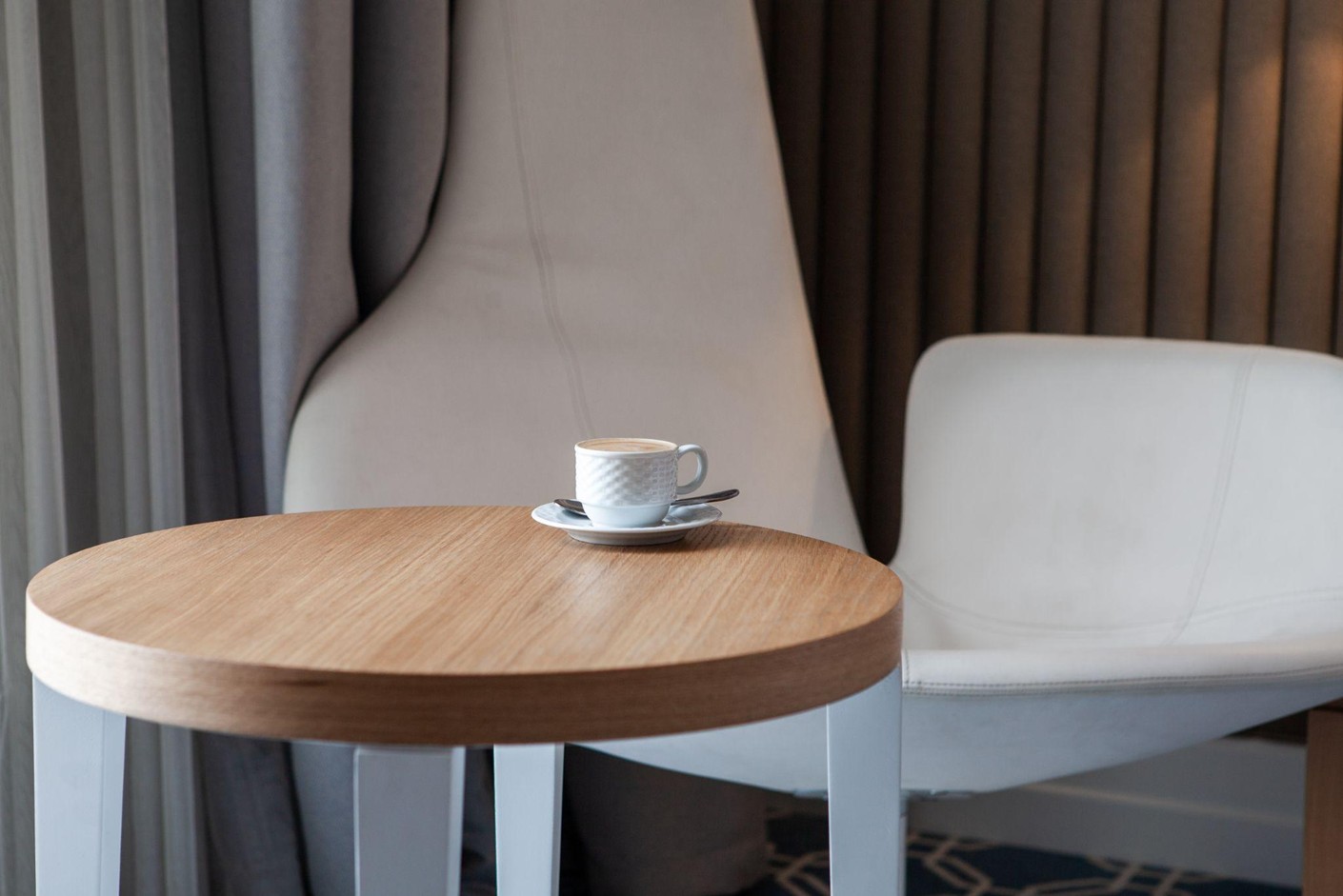
Before choosing yours, it is useful to know what an auxiliary table is. It is a small and adaptable piece of furniture, designed to complement your living room by offering additional surfaces to place objects or decorate. Its main function is to be an additional support that easily integrates with other furniture and decorative elements.
Some of its main characteristics include compact size, a variety of materials such as wood, metal, and glass, and additional features like drawers, shelves, or wheels that increase its practicality. Its design allows it to adapt to different decorative styles and needs, from a minimalist space to a more elaborate and colorful one.
Height and strategic placement
They generally measure between 50 and 60 cm, allowing them to integrate seamlessly next to seats. Their most effective placement is near the sofa or in underutilized corners, where they can also serve as a decorative point with lamps, vases, or books. Placing them correctly allows you to have items at hand and optimize the use of space without looking cluttered.

Practical functionality in daily life
Knowing what an auxiliary table is for will help you make the most of it. In addition to placing coffee, magazines, or books, these tables allow you to organize the space, keeping small objects in order and always within reach. Models with drawers offer additional storage, while versions with wheels or foldable options provide mobility and versatility, allowing you to adapt them according to the activity you are doing.
These tables can also become supports for lamps, decorative elements, or even as a temporary surface for light meals or snacks during gatherings, adding comfort and functionality to your living room.
Key criteria for selecting the ideal table
To select the ideal auxiliary table, you must consider various factors beyond aesthetics.
Size and proportion
It is important that the table has an adequate size for your living room and integrates harmoniously with the surrounding furniture, avoiding being too large or too small. A well-proportioned table ensures that the space looks balanced and functional.
Materials and durability
Tables can be made of wood, offering warmth and sturdiness; of metal, providing lightness and a modern style; or of tempered glass, which offers elegance and a sense of spaciousness in small spaces. Choosing the right material ensures that the table lasts longer and maintains its visual appeal.
Shape and design
The shape influences functionality and aesthetics: round tables are ideal for pass-through areas, rectangular or square tables provide more surface area, and nesting tables offer flexibility and additional space. Considering the appropriate shape allows you to optimize space usage without sacrificing style.
Additional features
Think about whether you need extra storage, mobility, or versatility with foldable or extendable models, depending on the use you will give them in your living room. These features can make the difference between a purely decorative piece of furniture and one that is truly functional.
Color and finish
The color and finish should complement your decoration: neutral tones for a minimalist style, intense colors for a personal touch, and matte or lacquered textures depending on the effect you are looking for. A well-chosen finish can seamlessly integrate the table into the overall aesthetics of your living room. By evaluating all these aspects and how they relate to your space, you will have the final keys on how to choose an auxiliary table, ensuring functionality and style in a single piece of furniture.

Maintenance and care to prolong its lifespan
Proper care extends the lifespan of your auxiliary table. Wooden ones require regular cleaning and specific products to maintain their shine; metal ones need a damp cloth and should avoid abrasive products; glass ones benefit from glass cleaners to remove fingerprints. Additionally, avoid prolonged exposure to sunlight and lubricate moving mechanisms when necessary.
Strategically integrating different types of furniture can completely transform your living room, bringing order and style without sacrificing functionality. Auxiliary tables become key elements that complement the environment and facilitate daily life.
By choosing and placing your auxiliary tables correctly, you will be making the most of every corner of your living room. Knowing what an auxiliary table is and why to acquire one will allow you to select the ideal piece that matches your decoration, offering comfort and practicality in a single piece of furniture. Additionally, by integrating other pieces of furniture and decorative elements, you will achieve a balanced, cozy, and visually appealing space, ready for any daily activity or gathering with guests.
Referrer: MiMub in Spanish